Transforming Product Design and Engineering with AI
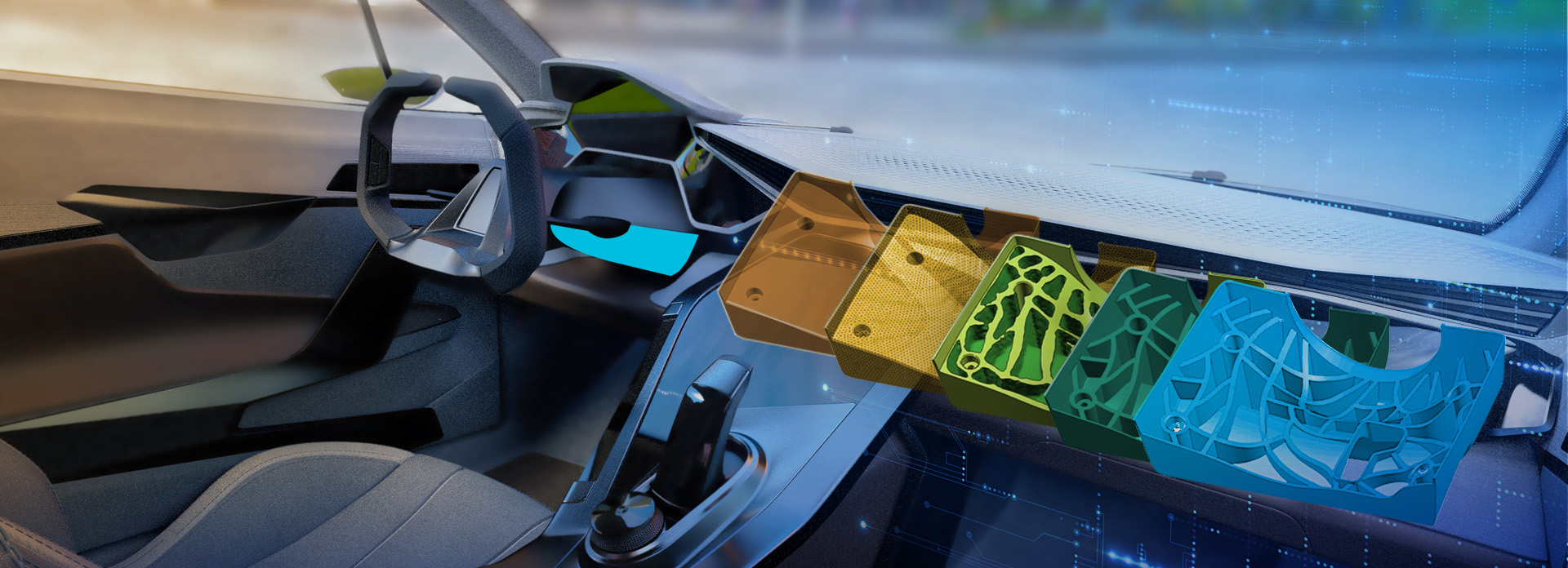
- Lalit Gore
- September 3, 2025
In today’s competitive environment, engineering and product design are no longer about creating a single feasible solution. Instead, they demand continuous innovation, rapid iteration, and smarter decision-making. Enterprises are under immense pressure to:
- Deliver innovative products faster.
- Reduce costs while maintaining high performance.
- Ensure sustainability and compliance with evolving global standards.
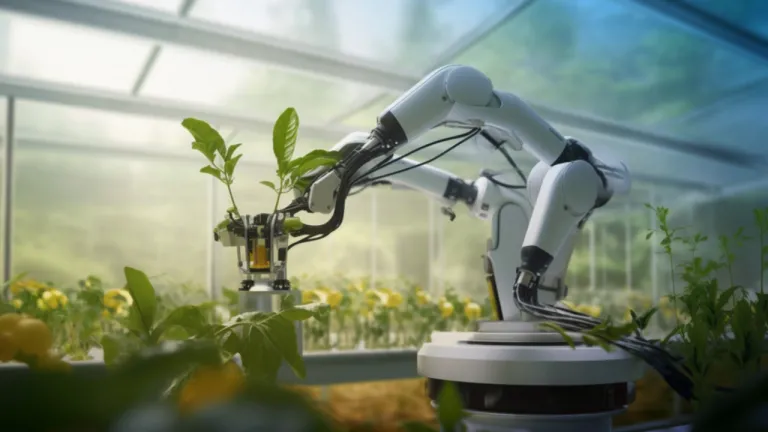
Dassault Systèmes, through its 3DEXPERIENCE platform and CATIA application, is at the forefront of this transformation. By embedding Artificial Intelligence (AI) and Generative Design into its digital engineering solutions, Dassault Systèmes is creating what it calls AI-Driven Generative Experiences – a paradigm shift that reshapes the entire product lifecycle.
This is not just about automation – it’s about empowering engineers with machine learning, deep learning, and knowledge-driven design intelligence to achieve what was previously impossible: smarter, lighter, faster, and more sustainable designs.
AI in Dassault Systèmes Solutions
Dassault Systèmes has already infused AI into multiple areas of its product ecosystem. Today, users experience AI-driven workflows in conceptual design, engineering, manufacturing, and lifecycle management.
Generative Design with CATIA
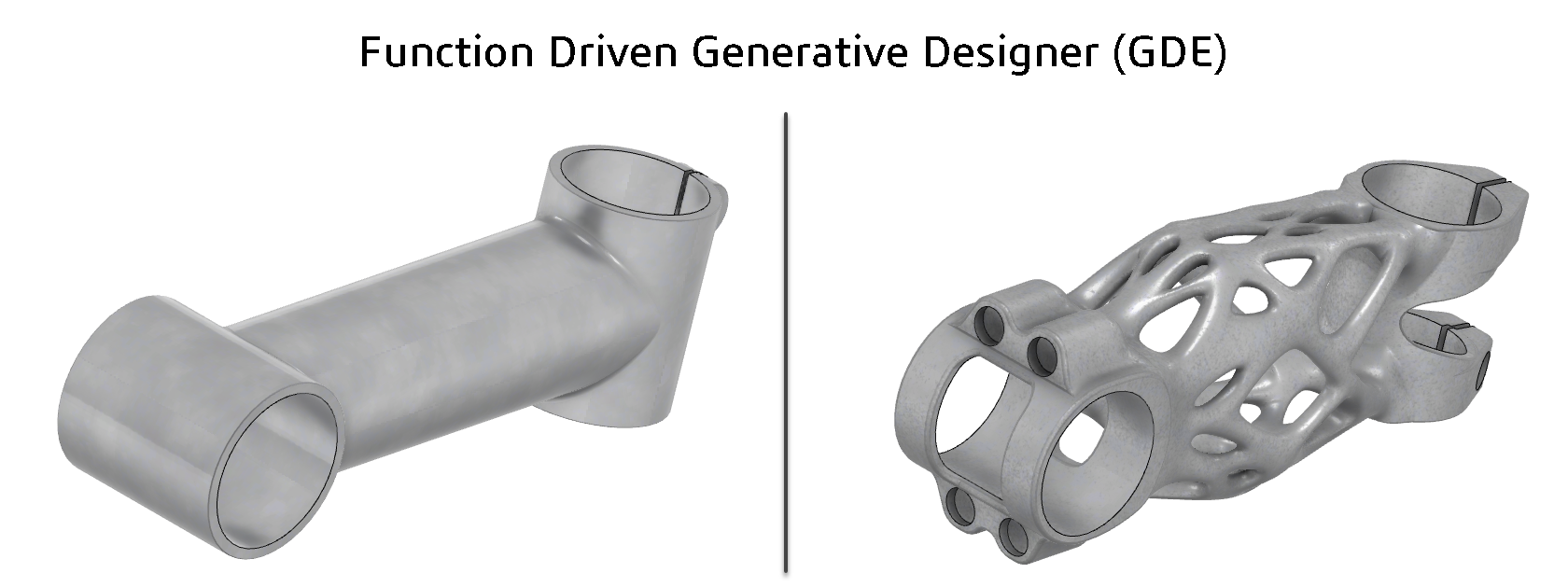
- CATIA Generative Design harnesses AI to automatically create design alternatives that meet functional, structural, and aesthetic requirements.
- Instead of manually modeling each iteration, engineers define the design intent, performance goals, and constraints, and CATIA’s AI explores thousands of solutions in minutes.
- For example, in aerospace and automotive, generative design has enabled lightweight structural components that reduce material use by 30–50% while maintaining safety.
Knowledge-Based Engineering (KBE) with AI Support
- CATIA captures industry-specific rules and corporate best practices so that engineers don’t reinvent the wheel.
- AI enhances this by learning from previous projects, recognizing patterns, and ensuring compliance with industry regulations (aerospace, medical devices, automotive, etc.).
- This not only improves reusability but also reduces costly design errors.
AI-Powered Simulation with SIMULIA
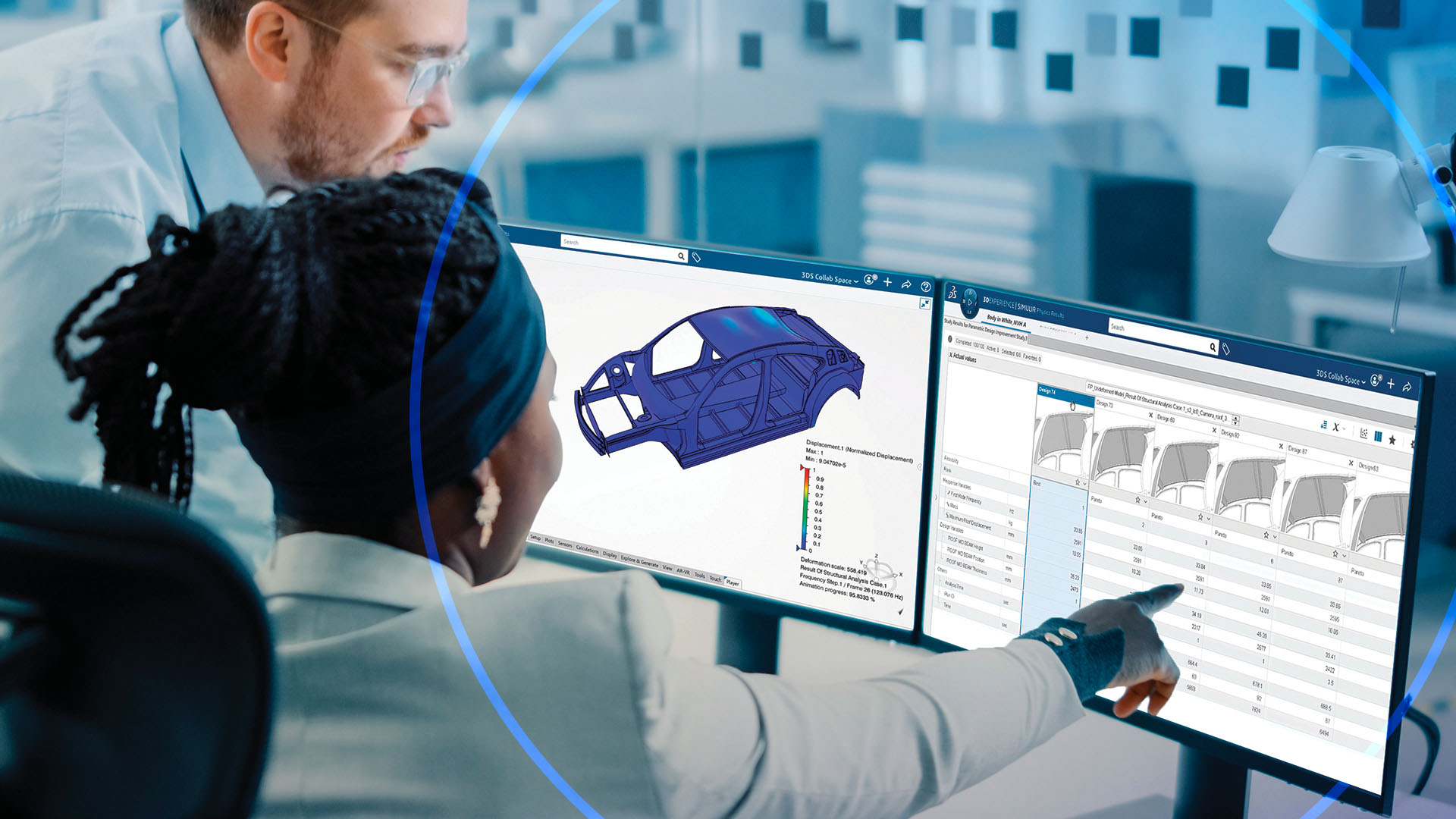
- SIMULIA accelerates finite element analysis (FEA) and computational fluid dynamics (CFD) by integrating AI-based algorithms.
- Simulations that once required hours or days are now optimized with AI models trained on previous runs.
- Engineers can quickly predict the outcome of new designs with high accuracy – leading to faster iteration cycles and fewer physical prototypes.
Predictive Maintenance & Virtual Twin
- Dassault Systèmes’ Virtual Twin Experience combines IoT data with AI models to simulate real-world product behavior.
- By predicting wear, fatigue, or system failures before they occur, manufacturers save on downtime and warranty costs.
- For instance, in the energy sector, AI-powered virtual twin is used to optimize wind turbine operations, extending asset life and efficiency.
Automation in Drafting & Modeling
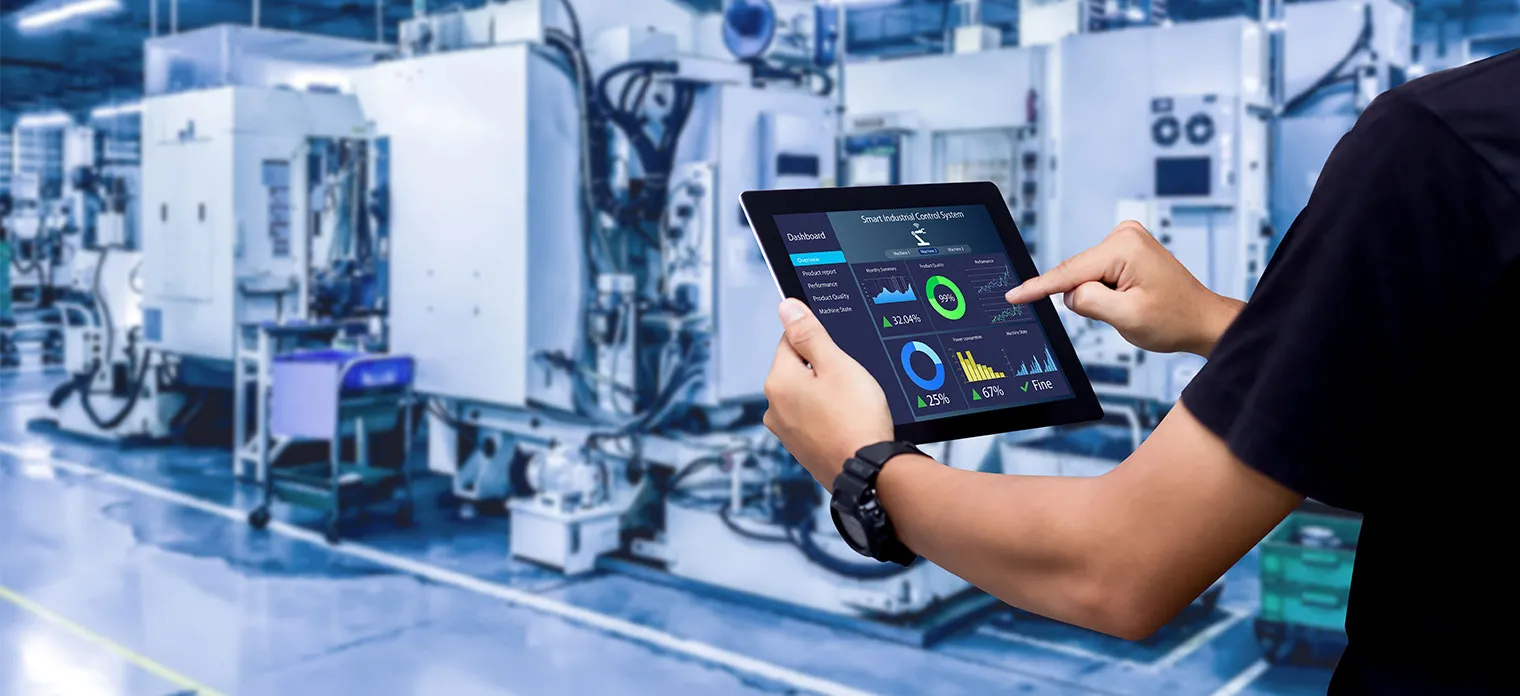
- AI recognizes features, standard components, and patterns, automating repetitive tasks in 2D drafting and 3D modeling.
- For example, hole placement, rib creation, or tolerance checks can now be completed automatically, enabling engineers to focus on innovation rather than routine tasks.
Benefits/ Advantages for Users
Organizations using Dassault Systèmes solutions with AI integration already enjoy quantifiable benefits:
- Faster Time-to-Market: Development cycles are reduced by up to 300% through automated iterations and optimized workflows.
- Superior Product Performance: Generative design enables lighter, stronger, and more efficient components, especially for industries like aerospace, automotive, and industrial equipment.
- Reduced Costs: Standardized design reuse (up to 80%) cuts engineering effort. Predictive maintenance reduces warranty costs by 10% or more.
- Smarter Decision-Making: AI analyzes complex datasets (design, manufacturing, and operational data) to provide actionable insights, helping engineers make evidence-based decisions.
- Seamless Collaboration: AI tools integrated into the 3DEXPERIENCE platform allow cross-functional collaboration across design, simulation, and manufacturing teams – ensuring traceability and consistency.
The Future of Design with Dassault Systèmes
The next wave of AI in Dassault Systèmes’ ecosystem will go beyond assistance – it will transform human-AI collaboration in engineering.
Hyper-Automated Design
- Design tasks like meshing, tolerance checks, and compliance verification will become fully automated.
- Engineers will move from “creating geometry” to orchestrating AI-driven workflows.
Generative AI as a Design Co-Pilot
- AI will act like a partner, proposing optimized concepts, guiding trade-off decisions, and predicting how a design will perform across different scenarios.
- Example: An AI co-pilot could suggest alternative materials based on cost, availability, and sustainability goals in real-time.
Sustainable Design by Default
- Dassault Systèmes’ future AI will prioritize eco-friendly materials, energy efficiency, and recyclability.
- Every design recommendation will be scored not just on cost and performance but also on environmental impact, aligning with circular economy principles.
Self-Optimizing Virtual Twins
- The next evolution of Virtual Twins will integrate real-time IoT feedback with AI that can self-correct and self-optimize.
- This means products won’t just be simulated – they will continuously learn and improve throughout their lifecycle.
Natural Language & Voice Interfaces
- Engineers will be able to interact with CATIA and SIMULIA using natural language commands (e.g., “Generate the lightest bracket design that can withstand 500N load”).
- AI will make design tools as intuitive as conversing with a colleague.
Conclusion
AI is no longer a future promise – it is already embedded within Dassault Systèmes’ solutions, delivering value across industries today.
- Generative Design accelerates innovation.
- AI-powered Simulation reduces risks and costs.
- Virtual Twins bring predictive intelligence into operations.
- Automation eliminates repetitive work, freeing engineers for creativity.
As AI evolves, Dassault Systèmes will push the boundaries further with self-optimizing systems, eco-driven design intelligence, and AI-human co-creation environments.
For engineers, designers, and enterprises, this means smarter innovation, faster delivery and sustainable growth. The future of design is AI-driven, generative, and collaborative. With Dassault Systèmes, that future starts today.

Recent Posts
-
From Prototypes to Production: How Additive Manufacturing is Shaping Atmanirbhar Bharat
The conversation around additive manufacturing (AM) in India has evolved considerably over the past decade. What was once viewed primarily as a prototyping technology is…
-
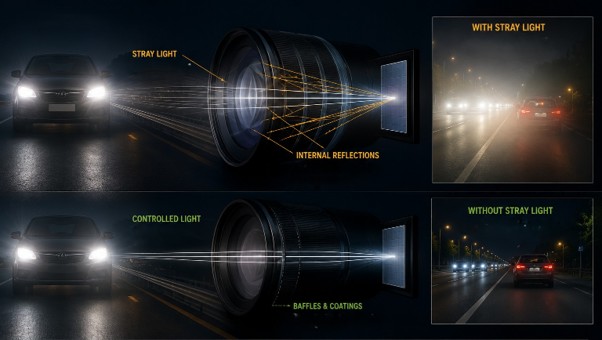
Identify Stray Light in Imaging Systems with LightTools
Stray light is undesired light radiation that interacts with the components of a system and degrades its performance by generating noise, that significantly reduces image…
-
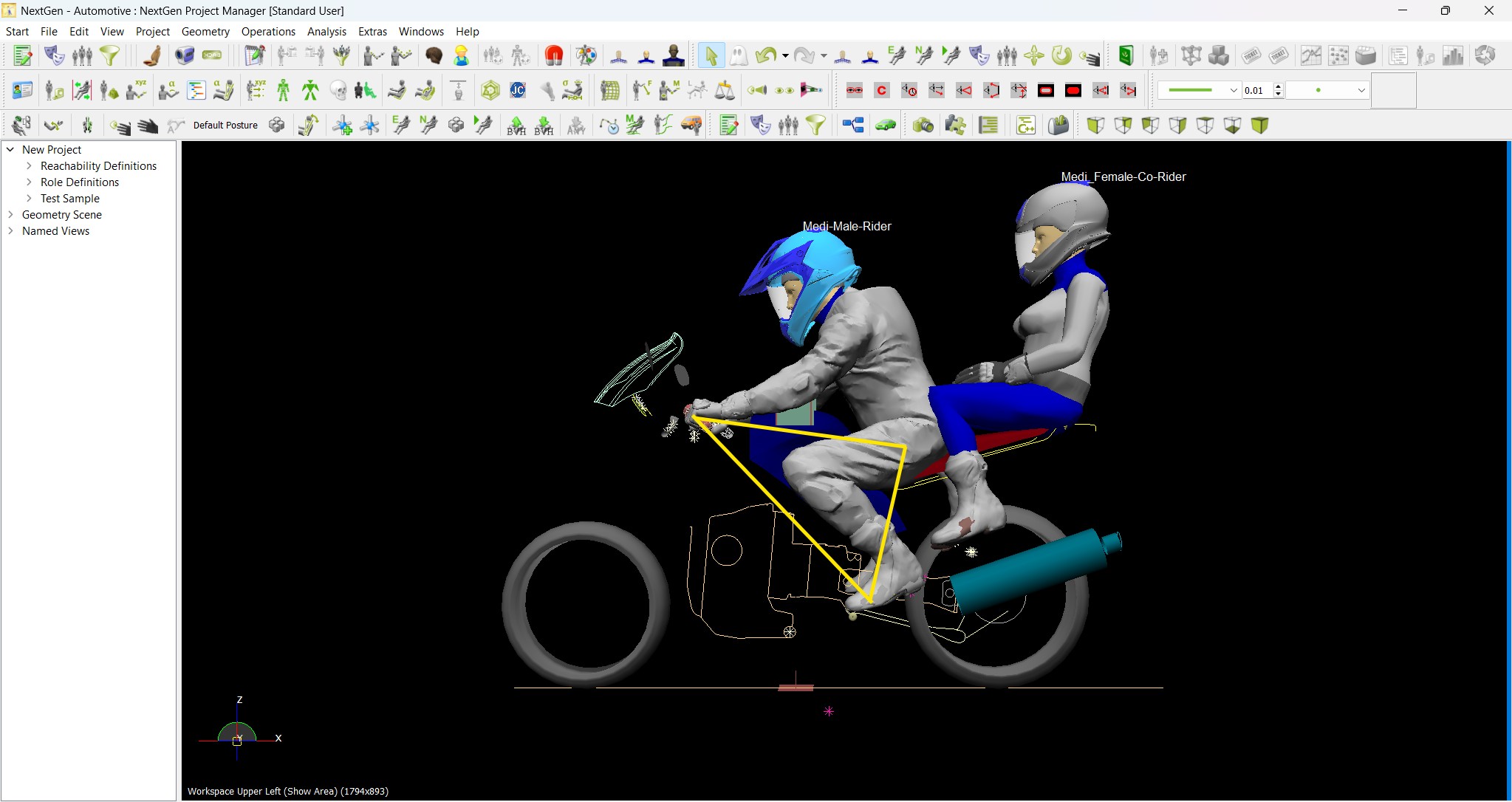
Redefining the Riding Experience with RAMSIS
In two‑wheeler design, comfort and safety start with the rider. RAMSIS (Realistic Anthropometric Mathematical System of Interior Comfort Simulation) is an ergonomic simulation platform that…
-
Enhancing Product Understanding through 3D Technical Illustrator
The 3D Technical Illustrator role within the 3DEXPERIENCE Platform enables organizations to transform complex engineering data into clear, interactive, and visually rich technical documentation. In…
-
Transforming Physical Parts into Digital Models with CATIA 3DEXPERIENCE Reverse Engineer role
Reverse engineering has become a critical capability in modern product development, especially when working with legacy components, competitor benchmarking, or physical prototypes that lack digital…
-
Fixing Search Service Down Issue in 3DEXPERIENCE Platform
Search is one of the most critical features in the 3DEXPERIENCE platform. If the search service goes down, users cannot find objects, documents, or data—impacting…
-
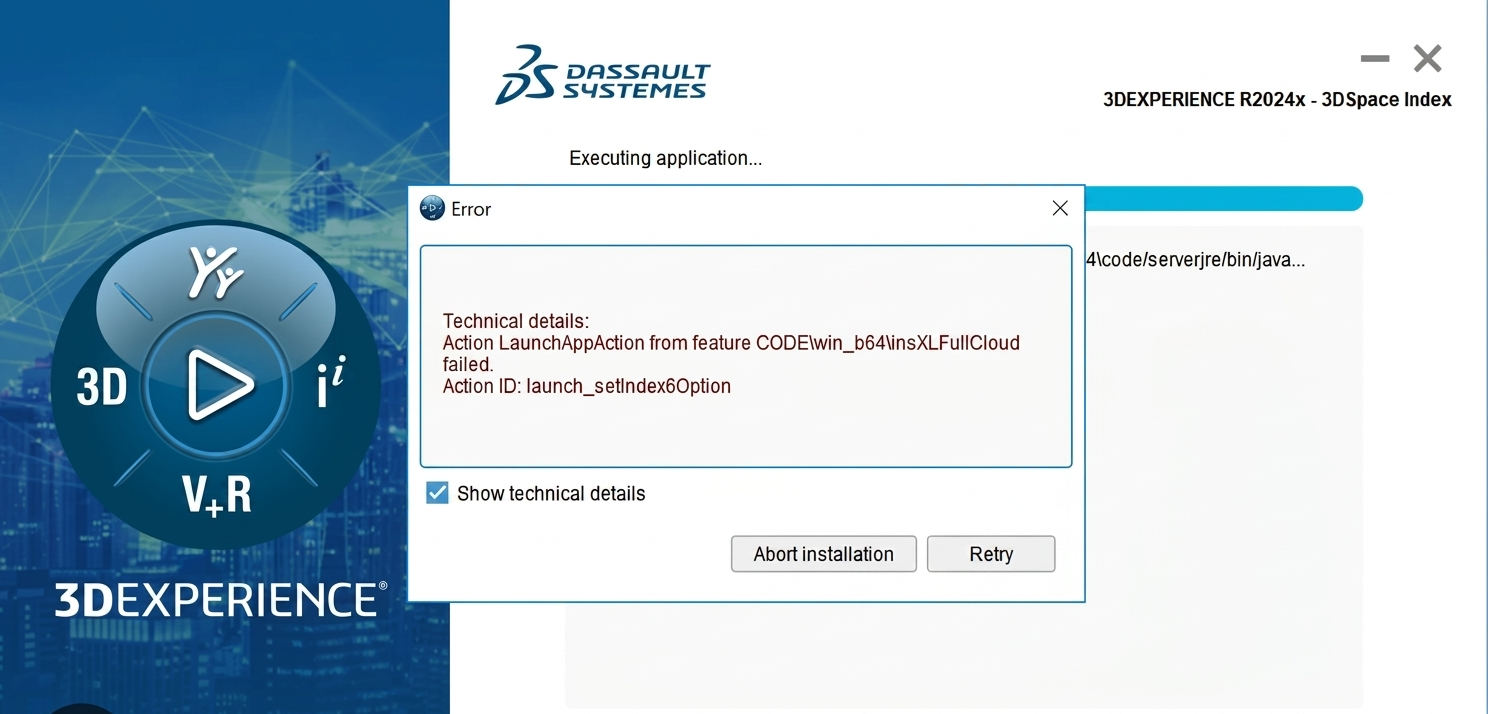
Common Installation Errors and How to Fix Them in 3DEXPERIENCE
The 3DEXPERIENCE Platform is a powerful solution used by industries worldwide for product lifecycle management (PLM), simulation, and collaboration. However, installing 3DEXPERIENCE—especially on-premise—can be complex…
-
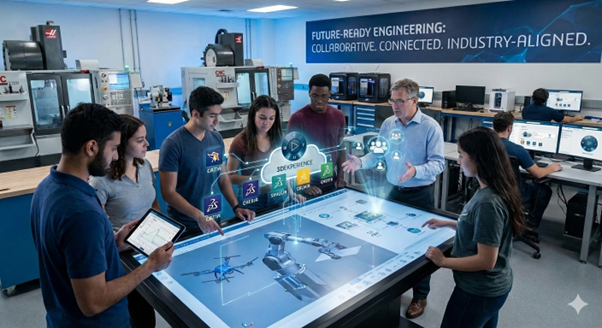
From Classroom to Industry: Empowering Future Engineers with the 3DEXPERIENCE Platform
In today’s fast-evolving engineering and design landscape, educational institutions must go beyond conventional CAD teaching methods. While standalone tools like CATIA V5, SOLIDWORKS, or traditional…
- Lalit Gore
- September 3, 2025
Transforming Product Design and Engineering with AI
In today’s competitive environment, engineering and product design are no longer about creating a single feasible solution. Instead, they demand continuous innovation, rapid iteration, and smarter decision-making. Enterprises are under immense pressure to:
- Deliver innovative products faster.
- Reduce costs while maintaining high performance.
- Ensure sustainability and compliance with evolving global standards.
Dassault Systèmes, through its 3DEXPERIENCE platform and CATIA application, is at the forefront of this transformation. By embedding Artificial Intelligence (AI) and Generative Design into its digital engineering solutions, Dassault Systèmes is creating what it calls AI-Driven Generative Experiences – a paradigm shift that reshapes the entire product lifecycle.
This is not just about automation – it’s about empowering engineers with machine learning, deep learning, and knowledge-driven design intelligence to achieve what was previously impossible: smarter, lighter, faster, and more sustainable designs.
AI in Dassault Systèmes Solutions
Dassault Systèmes has already infused AI into multiple areas of its product ecosystem. Today, users experience AI-driven workflows in conceptual design, engineering, manufacturing, and lifecycle management.
Generative Design with CATIA
- CATIA Generative Design harnesses AI to automatically create design alternatives that meet functional, structural, and aesthetic requirements.
- Instead of manually modeling each iteration, engineers define the design intent, performance goals, and constraints, and CATIA’s AI explores thousands of solutions in minutes.
- For example, in aerospace and automotive, generative design has enabled lightweight structural components that reduce material use by 30–50% while maintaining safety.
Knowledge-Based Engineering (KBE) with AI Support
- CATIA captures industry-specific rules and corporate best practices so that engineers don’t reinvent the wheel.
- AI enhances this by learning from previous projects, recognizing patterns, and ensuring compliance with industry regulations (aerospace, medical devices, automotive, etc.).
- This not only improves reusability but also reduces costly design errors.
AI-Powered Simulation with SIMULIA
- SIMULIA accelerates finite element analysis (FEA) and computational fluid dynamics (CFD) by integrating AI-based algorithms.
- Simulations that once required hours or days are now optimized with AI models trained on previous runs.
- Engineers can quickly predict the outcome of new designs with high accuracy – leading to faster iteration cycles and fewer physical prototypes.
Predictive Maintenance & Virtual Twin
- Dassault Systèmes’ Virtual Twin Experience combines IoT data with AI models to simulate real-world product behavior.
- By predicting wear, fatigue, or system failures before they occur, manufacturers save on downtime and warranty costs.
- For instance, in the energy sector, AI-powered virtual twin is used to optimize wind turbine operations, extending asset life and efficiency.
Automation in Drafting & Modeling
- AI recognizes features, standard components, and patterns, automating repetitive tasks in 2D drafting and 3D modeling.
- For example, hole placement, rib creation, or tolerance checks can now be completed automatically, enabling engineers to focus on innovation rather than routine tasks.
Benefits/ Advantages for Users
Organizations using Dassault Systèmes solutions with AI integration already enjoy quantifiable benefits:
- Faster Time-to-Market: Development cycles are reduced by up to 300% through automated iterations and optimized workflows.
- Superior Product Performance: Generative design enables lighter, stronger, and more efficient components, especially for industries like aerospace, automotive, and industrial equipment.
- Reduced Costs: Standardized design reuse (up to 80%) cuts engineering effort. Predictive maintenance reduces warranty costs by 10% or more.
- Smarter Decision-Making: AI analyzes complex datasets (design, manufacturing, and operational data) to provide actionable insights, helping engineers make evidence-based decisions.
- Seamless Collaboration: AI tools integrated into the 3DEXPERIENCE platform allow cross-functional collaboration across design, simulation, and manufacturing teams – ensuring traceability and consistency.
The Future of Design with Dassault Systèmes
The next wave of AI in Dassault Systèmes’ ecosystem will go beyond assistance – it will transform human-AI collaboration in engineering.
Hyper-Automated Design
- Design tasks like meshing, tolerance checks, and compliance verification will become fully automated.
- Engineers will move from “creating geometry” to orchestrating AI-driven workflows.
Generative AI as a Design Co-Pilot
- AI will act like a partner, proposing optimized concepts, guiding trade-off decisions, and predicting how a design will perform across different scenarios.
- Example: An AI co-pilot could suggest alternative materials based on cost, availability, and sustainability goals in real-time.
Sustainable Design by Default
- Dassault Systèmes’ future AI will prioritize eco-friendly materials, energy efficiency, and recyclability.
- Every design recommendation will be scored not just on cost and performance but also on environmental impact, aligning with circular economy principles.
Self-Optimizing Virtual Twins
- The next evolution of Virtual Twins will integrate real-time IoT feedback with AI that can self-correct and self-optimize.
- This means products won’t just be simulated – they will continuously learn and improve throughout their lifecycle.
Natural Language & Voice Interfaces
- Engineers will be able to interact with CATIA and SIMULIA using natural language commands (e.g., “Generate the lightest bracket design that can withstand 500N load”).
- AI will make design tools as intuitive as conversing with a colleague.
Conclusion
AI is no longer a future promise – it is already embedded within Dassault Systèmes’ solutions, delivering value across industries today.
- Generative Design accelerates innovation.
- AI-powered Simulation reduces risks and costs.
- Virtual Twins bring predictive intelligence into operations.
- Automation eliminates repetitive work, freeing engineers for creativity.
As AI evolves, Dassault Systèmes will push the boundaries further with self-optimizing systems, eco-driven design intelligence, and AI-human co-creation environments.
For engineers, designers, and enterprises, this means smarter innovation, faster delivery and sustainable growth. The future of design is AI-driven, generative, and collaborative. With Dassault Systèmes, that future starts today.